Introduction
Indonesia’s tropical climate creates an ideal breeding ground for various pests that can invade homes and compromise the health and safety of residents. With high humidity levels and warm temperatures throughout the year, pests such as mosquitoes, cockroaches, termites, and rodents thrive in residential areas. While many homeowners attempt DIY solutions, professional pest control services offer comprehensive protection that addresses both immediate infestations and long-term prevention. This article explores why professional pest control is not just a luxury but an essential service for every home in Indonesia.
Common Pests in Indonesian Homes and Their Risks
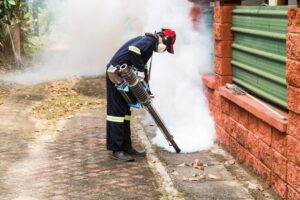
Indonesian households commonly face several pest species that pose significant health and structural risks. Mosquitoes are perhaps the most dangerous, as they transmit diseases like dengue fever, malaria, and chikungunya. According to the Indonesian Ministry of Health, dengue fever cases reached over 130,000 in 2023, highlighting the persistent threat these insects pose to public health (Indonesian Ministry of Health, 2024) .
Cockroaches present another serious concern, contaminating food and surfaces with bacteria that can cause food poisoning, allergies, and asthma attacks, particularly in children. These resilient pests can survive in harsh conditions and reproduce rapidly, making DIY elimination efforts often ineffective.
Termites represent a different but equally destructive threat. These silent destroyers can compromise the structural integrity of homes by feeding on wood, paper, and other cellulose materials. The Indonesian termite species are particularly aggressive, with colonies capable of causing significant damage within months of infestation.
Rodents, including rats and mice, not only damage property by gnawing on wires, insulation, and structural elements but also spread diseases such as leptospirosis and salmonellosis through their droppings and urine.
Benefits of Professional Pest Control Over DIY Methods
While DIY pest control solutions may seem cost-effective initially, they often fail to address the root cause of infestations and can even exacerbate problems. Professional pest control services offer several distinct advantages:
First, professionals possess specialized knowledge of pest behavior, biology, and habitats, enabling them to identify entry points and nesting areas that homeowners might miss. This expertise allows for targeted treatments that eliminate pests at their source rather than merely addressing visible symptoms.
Second, pest control professionals have access to commercial-grade products and equipment that are more effective and longer-lasting than over-the-counter solutions. These professional-grade treatments are applied using precise methods that maximize effectiveness while minimizing exposure to residents.
Third, professional services typically include follow-up inspections and preventive measures that reduce the likelihood of reinfestation. This comprehensive approach provides long-term protection rather than temporary relief.
| Aspect | DIY Methods | Professional Pest Control |
|---|---|---|
| Effectiveness | Limited, often temporary | High, with long-term results |
| Safety | Risk of improper application | Proper safety protocols followed |
| Cost | Lower initial cost, higher long-term expense | Higher initial investment, more cost-effective over time |
| Time | Significant personal time required | Minimal time commitment from homeowner |
| Guarantee | None | Usually includes service guarantees |
Health and Safety Considerations
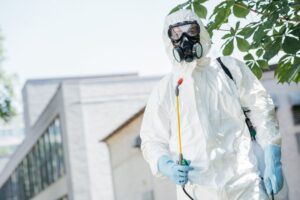
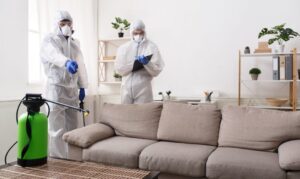
Professional pest control services prioritize the health and safety of residents through several key practices. Certified technicians undergo extensive training in the proper application of treatments, ensuring that products are used in ways that minimize risks to humans and pets.
Many homeowners are unaware that incorrect application of pesticides can lead to health problems, including respiratory issues, skin irritation, and more serious conditions in vulnerable individuals. Professional services follow strict safety protocols, including proper ventilation, targeted application methods, and appropriate waiting periods before re-entering treated areas.
Additionally, professional pest control companies stay updated on the latest regulations and safety standards, ensuring compliance with Indonesian health and environmental guidelines. This regulatory knowledge is particularly important as pesticide regulations continue to evolve based on new scientific findings.
Conclusion
For Indonesian homeowners, professional pest control represents an essential investment in health, safety, and property protection. The unique challenges posed by Indonesia’s climate and the significant risks associated with common pests make professional services not just preferable but necessary. By choosing a reputable pest control provider like Fast Pest Control, homeowners gain access to expertise, effective treatments, and ongoing prevention strategies that DIY methods simply cannot match. In a country where pest-related diseases and property damage remain prevalent concerns, professional pest control stands as a critical component of responsible homeownership.