Introduction: The Critical Need for Pest Control in Indonesia
Indonesia’s tropical climate creates an ideal environment for a diverse range of pests to thrive year-round. With high humidity, abundant rainfall, and consistently warm temperatures, the country faces unique challenges in pest management that require specialized knowledge and approaches. Effective pest control is not merely a matter of comfort but a crucial component of public health, property protection, and environmental stewardship.
The importance of professional pest management services cannot be overstated in a country where pests pose significant threats to human health, structural integrity of buildings, agricultural productivity, and overall quality of life. This comprehensive guide explores the world of pest control in Indonesia, highlighting responsible approaches that balance effectiveness with environmental consciousness.
Common Pests in Indonesia and Their Associated Risks
Indonesia’s diverse ecosystem supports numerous pest species that can adversely affect human habitats. Understanding these common pests and their risks is the first step in developing effective control strategies.
Termites: The Silent Destroyers
Termites represent one of the most destructive pests in Indonesia, causing billions of dollars in structural damage annually. These wood-destroying insects work silently within walls, flooring, and wooden structures, often going undetected until significant damage has occurred. The subterranean species common in Indonesia can establish colonies containing millions of workers, capable of compromising the structural integrity of buildings within months if left untreated.
Mosquitoes: Vectors of Disease
Mosquitoes pose serious health risks in Indonesia as vectors for numerous diseases including dengue fever, malaria, chikungunya, and the Zika virus (Top 6 Tropical Diseases in Indonesia, 2025) . The Aedes aegypti mosquito, responsible for transmitting dengue fever, is particularly prevalent in urban areas where stagnant water provides breeding sites. Effective mosquito control is essential for public health, especially in densely populated cities.
Cockroaches: Health Hazards in Urban Environments
Cockroaches are common in Indonesian households and businesses, particularly in kitchen areas where food and moisture are readily available. These pests can trigger allergies and asthma attacks, especially in children, and can spread pathogens including Salmonella, E. coli, and other disease-causing organisms. Their rapid reproduction rate and resilience make professional intervention necessary for effective control.
Rodents: Destructive and Disease-Carrying Pests
Rats and mice present multiple threats to Indonesian properties, from contaminating food supplies to causing structural damage through gnawing. More concerning is their role in transmitting diseases such as leptospirosis, plague, and hantavirus. Rodent control requires specialized knowledge of behavior patterns and effective trapping or baiting strategies.
Bed Bugs: The Resilient Nuisance
Bed bugs have experienced a resurgence in Indonesia, particularly in tourist areas like Bali (Insects in Bali, 2025) . These blood-feeding insects cause itchy bites and can lead to secondary infections when scratched. Their ability to hide in tiny cracks and survive months without feeding makes them particularly challenging to eradicate without professional treatment.
Professional Pest Control Approaches: Beyond DIY Solutions
While do-it-yourself pest control methods may offer temporary relief, professional pest management services provide comprehensive, long-term solutions that address the root causes of infestations.
The Inspection Process: Foundation of Effective Control
Professional pest control begins with thorough inspection, a critical step that many DIY approaches overlook. Certified technicians examine properties to identify pest species, assess infestation severity, locate entry points, and determine contributing factors (AAG Pest Control, 2025) . This diagnostic approach ensures that treatment strategies are targeted and effective rather than generic.
During inspection, professionals use specialized equipment such as moisture meters, thermal imaging cameras, and borescopes to detect hidden infestations. They also consider environmental factors that may be contributing to pest problems, such as drainage issues, vegetation proximity, and structural vulnerabilities.
Integrated Pest Management (IPM): The Science-Based Approach
The most responsible pest control companies in Indonesia employ Integrated Pest Management (IPM), an ecosystem-based strategy that focuses on long-term prevention of pests or their damage through a combination of techniques (The Association of Pest Control Companies in Indonesia, 2025) . IPM emphasizes:
- Prevention: Modifying habitats to make them less conducive to pests
- Monitoring: Regular inspection to detect problems early
- Thresholds: Determining when action is necessary
- Control: Using the least risky methods first
- Evaluation: Assessing effectiveness of treatments
This approach minimizes the use of chemical pesticides, relying instead on physical barriers, biological controls, and cultural practices to manage pest populations responsibly.
Advanced Treatment Technologies
Modern pest control in Indonesia utilizes advanced technologies that increase effectiveness while reducing environmental impact:
- Baiting Systems: Targeted bait stations that deliver pesticides directly to pest colonies, minimizing exposure to non-target species
- Heat Treatments: For bed bugs and other temperature-sensitive pests, eliminating the need for chemical applications
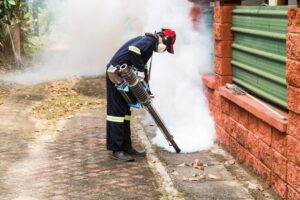
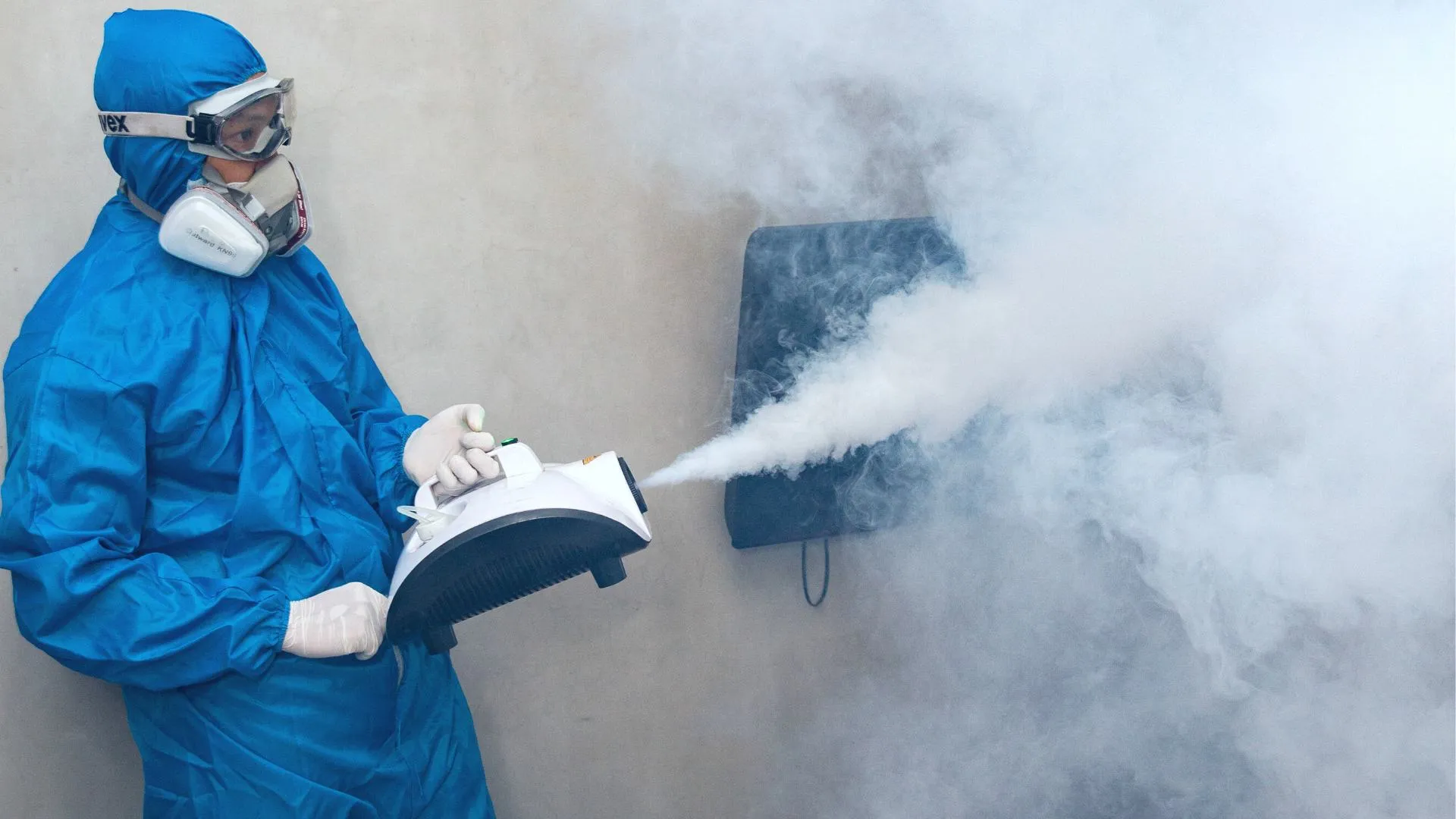
- Fogging and Misting: Precision application systems that disperse treatments evenly while reducing overall chemical usage
- Electronic Monitoring: Smart traps and sensors that provide real-time data on pest activity, enabling more targeted interventions
Safety and Environmental Considerations in Pest Control
Responsible pest control in Indonesia must balance effectiveness with safety for humans, pets, and the environment. The tropical climate and biodiversity of Indonesia make this balance particularly important (Top 18 Pest Control Companies in Indonesia, 2025) .
Chemical Safety and Regulation
Professional pest control companies in Indonesia must adhere to strict regulations regarding pesticide use. The Ministry of Agriculture regulates all pesticides used in the country, requiring registration and safety testing before approval (The Association of Pest Control Companies in Indonesia, 2025) . Responsible companies:
- Use only government-approved products
- Apply chemicals at the minimum effective concentration
- Follow precise application methods to minimize drift and exposure
- Provide clear safety instructions to clients after treatment
Non-Chemical Control Methods
The most progressive pest control services emphasize non-chemical control methods whenever possible. These include:
- Physical Exclusion: Sealing entry points, installing screens, and creating barriers
- Habitat Modification: Eliminating standing water, proper waste management, and reducing clutter
- Biological Control: Introducing natural predators or parasites of pest species
- Mechanical Traps: Using traps that capture pests without chemicals
These methods reduce environmental impact while often providing longer-lasting solutions than chemical treatments alone.
Protecting Indonesia’s Unique Ecosystem
Indonesia’s position as a megadiverse country requires special consideration in pest management. Responsible pest control companies take care to protect beneficial insects, native wildlife, and sensitive ecosystems (Insects in Bali, 2025) . This includes:
- Avoiding broad-spectrum pesticides that harm beneficial species
- Implementing targeted treatments that affect only the pest species
- Considering the impact on local food chains and ecosystems
- Promoting biodiversity as a natural pest control mechanism
The Role of Professional Pest Control Companies in Indonesia
Professional pest control services play a vital role in maintaining public health and protecting property values across Indonesia (Top 18 Pest Control Companies in Indonesia, 2025) .
Expertise and Training
Certified pest control technicians undergo rigorous training in pest identification, biology, behavior, and control methods. This expertise enables them to:
- Accurately identify pest species and customize treatment approaches
- Understand pest life cycles to target vulnerable stages
- Recognize signs of infestation that untrained individuals might miss
- Implement the most appropriate control methods for each situation
Access to Professional-Grade Products
Professional pest control companies have access to products and equipment not available to consumers. These professional-grade solutions are often more effective, longer-lasting, and can be applied more safely when handled by trained technicians
Comprehensive Service Approach
Unlike DIY solutions, professional pest control services typically include:
- Initial inspection and assessment
- Customized treatment planning
- Implementation of control measures
- Follow-up monitoring and evaluation
- Prevention recommendations
- Service guarantees and warranties
This comprehensive approach ensures that pest problems are resolved thoroughly and sustainably.
Choosing the Right Pest Control Service in Indonesia
With numerous pest control companies operating across Indonesia, selecting the right service provider requires careful consideration (Top 18 Pest Control Companies in Indonesia, 2025) .
Key Selection Criteria
When choosing a pest control service, consider these factors:
- Certification and Licensing: Ensure the company meets all regulatory requirements
- Experience: Look for companies with proven track records in Indonesia
- Integrated Pest Management Approach: Prefer companies that emphasize prevention and minimal chemical use
- Safety Protocols: Verify their commitment to safe practices for humans, pets, and the environment
- Service Guarantees: Reputable companies stand behind their work with warranties
- Transparent Pricing: Clear, upfront pricing without hidden fees
- Customer Reviews: Check testimonials and reviews from previous clients
Questions to Ask Potential Providers
Before hiring a pest control service, ask these important questions:
- What specific pests do you specialize in controlling?
- What treatment methods do you recommend for my situation and why?
- What safety precautions do you take during treatments?
- How long will the treatment take and when can we expect results?
- What follow-up services do you provide?
- What guarantees or warranties do you offer?
- Are your technicians certified and regularly trained?
Red Flags to Avoid
Be wary of pest control companies that:
- Provide quotes without inspecting the property
- Pressure you into immediate decisions
- Offer significantly lower prices than competitors
- Cannot provide proof of certification or insurance
- Use vague or evasive answers to your questions
- Dismiss your concerns about safety or environmental impact
The Future of Responsible Pest Control in Indonesia
As Indonesia continues to develop and urbanize, pest control challenges will evolve. The future of responsible pest management in the country will likely see several trends (The Association of Pest Control Companies in Indonesia, 2025) .
Technological Advancements
Emerging technologies will enhance pest control effectiveness while reducing environmental impact:
- Smart Monitoring Systems: IoT-enabled sensors that detect pest activity in real-time
- Precision Application Technologies: Drones and automated systems that target treatments precisely
- Data Analytics: Using big data to predict pest outbreaks and optimize treatment timing
- Biological Solutions: Advanced biopesticides and pheromone-based control methods
Increased Focus on Sustainability
Environmental concerns will drive further innovation in sustainable pest control:
- Green Chemistry: Development of pesticides that break down quickly in the environment
- Enhanced IPM: Greater emphasis on prevention and non-chemical control methods
- Biodiversity Protection: Strategies that preserve beneficial organisms while controlling pests
- Climate-Adaptive Approaches: Pest management strategies that account for changing climate conditions
Regulatory Evolution
As awareness grows, regulations will likely become more stringent:
- Stricter Product Registration: More rigorous testing requirements for pesticides
- Enhanced Training Standards: Higher requirements for pest control professionals
- Improved Consumer Protection: Clearer guidelines for service guarantees and contracts
- Environmental Safeguards: Stronger protections for sensitive ecosystems and water sources
Conclusion: Balancing Effectiveness with Responsibility
Effective pest control in Indonesia requires a delicate balance between eliminating harmful pests and protecting human health and the environment. As a tropical archipelago with unique biodiversity and growing urban centers, Indonesia faces pest management challenges that demand specialized knowledge and responsible approaches (Indonesia Travel, 2025) .
Professional pest control services that embrace Integrated Pest Management, prioritize safety, and stay current with technological advancements offer the most sustainable solutions for protecting homes, businesses, and public health. By choosing responsible pest management approaches, Indonesians can enjoy pest-free environments without compromising the country’s natural heritage or future well-being.
As the industry continues to evolve, the focus will increasingly shift toward prevention, precision, and sustainability—ensuring that pest control in Indonesia remains both effective and environmentally responsible for generations to come.